sourcing-101
The China Sourcing Scam Survival Guide
Five real scam patterns importers fall for — trading companies posing as factories, sample bait-and-switch, shell factories — with checklists you can use today.
By Rich Bee ·March 13, 2026 · 4 min read
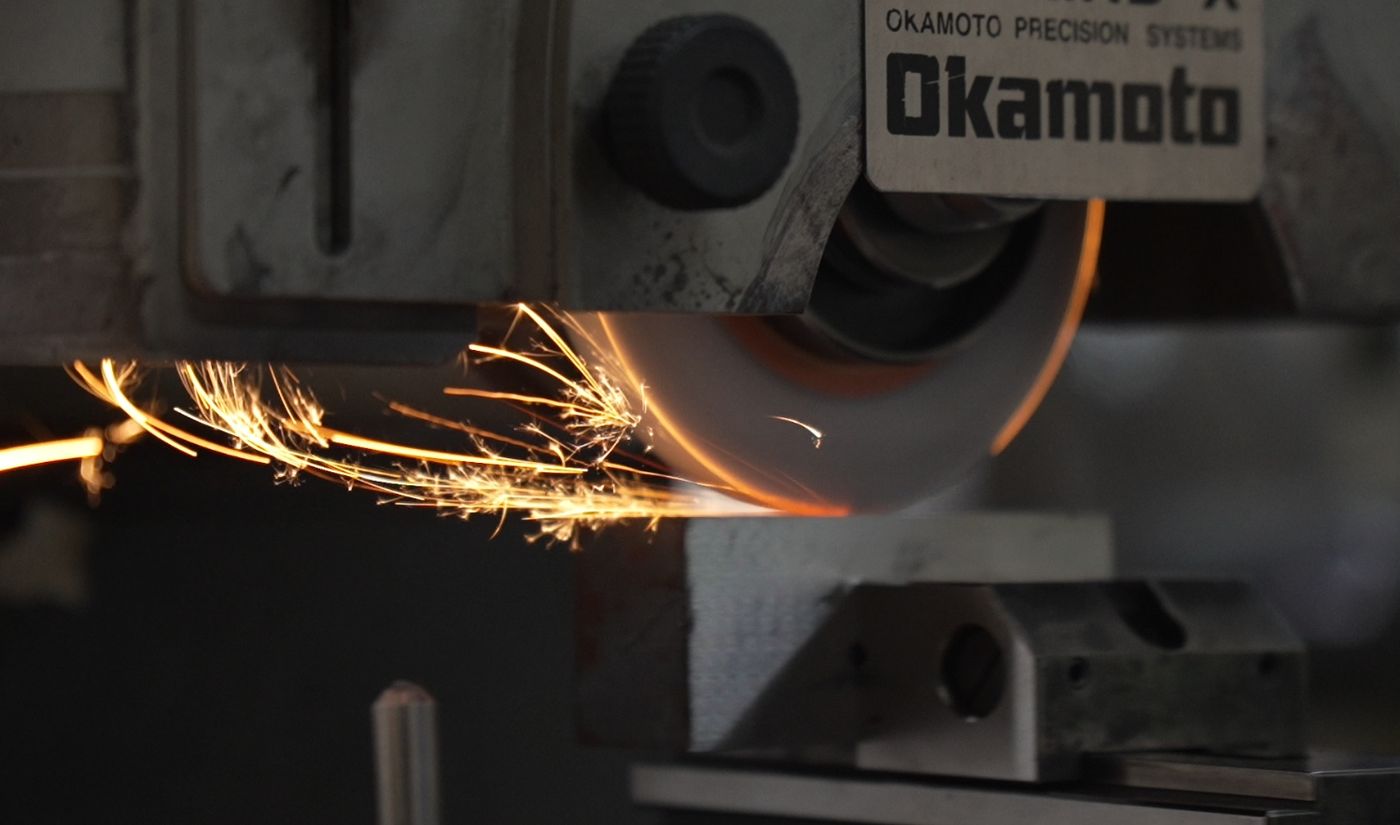
Scams happen. But they run on a handful of recognizable plays, and once you've seen each one, you can sidestep it. Below are five patterns I see again and again, with the details anonymized, plus what actually stops them.
Scam #1: The Trading Company Posing as a Factory
What happens: You find a "factory" on Alibaba with polished product photos and competitive pricing. You place your order. The goods come back inconsistent because the supplier was never a factory at all — it was sourcing from three different plants and marking everything up.
How to spot it:
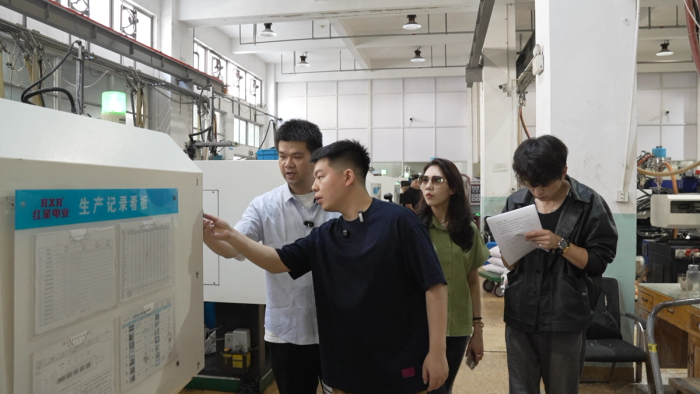
- Ask for a factory tour. A video walkthrough is the minimum you should accept.
- Check the business license. Is it registered as a 生产型 (manufacturing) or 贸易型 (trading) entity?
- Ask technical questions about the production process. A real factory manager knows the details cold.
- Request in-production photos of your specific order, not stock imagery.
How to protect yourself:
- Run a business registration check — we offer this free.
- Verify the factory address on Baidu Maps.
- Cross-reference any claimed certifications directly with the issuing bodies.
Scam #2: The Sample Bait-and-Switch
What happens: The sample is flawless — crisp finish, tight tolerances, perfect color match. You approve it and order 5,000 units. The bulk shipment shows up visibly different: thinner material, rougher finish, noticeable color drift.
How to spot it:
- This is the single most common problem in China sourcing, and it often isn't deliberate malice — factories cut corners under production pressure.
- The sample was likely built by their best technician in the sample room.
- Bulk runs use different workers, and sometimes different equipment.
How to protect yourself:
- Keep the approved sample as a "golden sample" and send it back for the factory to reference.
- Require a pre-production sample pulled from the actual production line.
- Run a During Production Inspection (DPI) at 20–30% completion.
- Never pay 100% before shipment. Hold at least 30% until after final inspection.
Scam #3: The Shell Factory
What happens: Everything checks out online — professional website, Alibaba Gold Supplier status, a responsive sales team. You wire $15,000 for a first order. Then nothing. The phone is disconnected, the chat messages go unread.
How to spot it:
- They push for payment to a personal account instead of a corporate one.
- Pricing sits 40–50% below market rates.
- Aggressive urgency — "this special price expires tomorrow."
- The company has been in operation less than two years.
How to protect yourself:
- Never wire 100% upfront to a supplier you haven't worked with.
- Start with a small trial order ($1,000–3,000).
- Use Alibaba Trade Assurance or PayPal for first transactions.
- Verify business registration through official channels.
- Ask for references from Western clients, and actually follow up with them.
Scam #4: Fake Certifications
What happens: The factory hands you CE, FCC, and UL certificates. You list the product on Amazon and get suspended, because the certifications are fraudulent or belong to a different product entirely.
How to spot it:
- The certificate number doesn't verify when you check it with the issuing body.
- The certificate covers a different model number.
- They hold every certification imaginable. Legitimate factories usually carry only the ones relevant to their specific product line.
How to protect yourself:
- Verify certificates directly with the issuing body (UL, TÜV, SGS, and so on).
- Budget $500–3,000 for independent testing, depending on the product.
- Don't trust a certificate you can't independently verify — counterfeit ones are sold online for $50.
Scam #5: The Slow Quality Slide
What happens: Orders one through three are solid. Order four dips slightly. By order six, quality has clearly slipped. The factory has been gradually swapping in cheaper materials, betting you won't notice.
How to spot it:
- Weigh the product. Material substitution almost always changes the weight.
- Compare it side by side with your golden sample.
- Measure material thickness with calipers.
- Test functionality, not just appearance.
How to protect yourself:
- Inspect every order, not just the first one.
- Specify materials in your contract using measurable standards (e.g., "304 stainless steel, minimum 0.8mm wall thickness" — not just "stainless steel").
- Build a relationship with the factory owner, not only the sales contact.
Anti-Scam Checklist
Before you commit to any order, verify:
- Business license is current and matches the company name.
- Factory address exists and lines up with the license.
- At least three years of operating history.
- A video call or on-site visit is done.
- Payment goes to a corporate bank account, not a personal one.
- Contract includes quality standards, inspection rights, and penalty clauses.
- Certifications are verified with the issuing bodies.
- At least one Western-client reference has been contacted.
- A trial order has run successfully before you commit to volume.
This is Part 4 of 8 in the Rich Bee China Sourcing 101 series.
Previous: How to Find Chinese Factories — 5 Proven Channels
Next: Price Negotiation: The China Rules
All chapters: Sourcing 101 full guide
Put this into practice
Have a supplier or product in mind?
Tell our advisor what you are sourcing and the supplier you are eyeing. We will flag the basics — license, trade history, obvious risk — at no cost and with no sales follow-up.