sourcing-101
Quality Control: Where Importers Save or Lose Money
Quality is the #1 reason first-time importers lose money. PPI, DPI, PSI, AQL 2.5 — what each inspection catches and how to run one yourself.
By Rich Bee ·March 27, 2026 · 3 min read
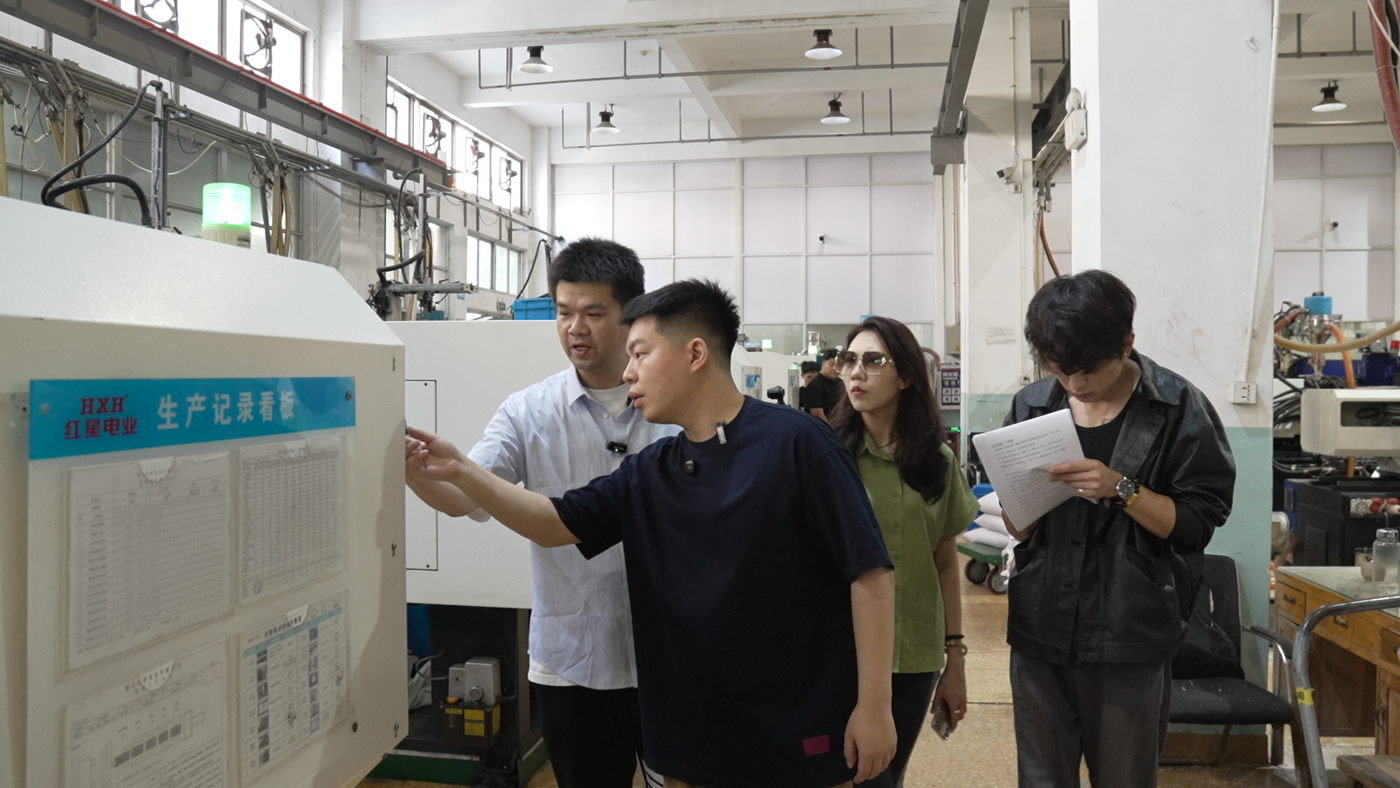
More first-time importers lose money to quality problems than to anything else. Not scams, not shipping mishaps. Quality. What makes it worse is that nearly all of these failures could have been caught before the money was gone.
Three Critical Inspection Points
1. Pre-Production Inspection (PPI)
When: Before mass production begins.
What to check:
- Raw materials conform to specifications
- Colors match the approved sample
- Components are correct
- Production line is set up properly
Why it matters: Catching a material problem before production starts costs a fraction of what it costs once the line is running.
2. During Production Inspection (DPI)
When: At 20–30% production completion.
What to check:
- Output quality matches the approved sample
- Defect rate stays within acceptable limits
- Workers are following the agreed process
- Packaging and labeling are correct
Why it matters: This is your last window to course-correct. A problem spotted at 20% can be fixed. The same problem discovered at 100% means rework or rejection.
3. Pre-Shipment Inspection (PSI)
When: 100% produced, 80%+ packed.
What to check:
- Finished goods against the golden sample
- Function testing (does everything work to spec?)
- Quantity verification (is the full order accounted for?)
- Packaging and labeling (barcodes, language, markings)
- Carton drop test and overall condition
AQL: The Numbers You Need
AQL (Acceptable Quality Level) is the global standard for sampling inspection. Here are the essentials.
See the full comparison table in our China Sourcing 101 guide.
In plain terms: For a 5,000-unit order, you randomly inspect 200 pieces. Find more than 10 major defects or 14 minor defects, and the lot fails.
Classifying Defects
Critical (zero tolerance): Safety hazards, regulatory non-compliance, total loss of function.
- Example: exposed wiring on an electrical product; detachable small parts on a children's toy
Major: Product doesn't perform as intended, or shows obvious visual flaws.
- Example: a zipper that won't close smoothly; a noticeable color shift from the sample
Minor: Small cosmetic imperfections that don't affect function.
- Example: a tiny scratch visible only at certain angles; slightly uneven stitching
Universal QC Checklist
Adapt this to your specific product.
Visual Inspection:
- Color matches approved sample (compare under daylight, not fluorescent)
- Surface finish is consistent (no scratches, dents, or bubbles)
- Printing and logos are correct (spelling, placement, color)
- No loose threads, excess glue, or rough edges
- Assembly is solid — nothing rattles or wobbles
Dimensional Check:
- Weight matches specification
- Consistency across multiple samples (not just one perfect unit)
Functional Testing:
- Core function works correctly
- Moving parts operate smoothly
- For electrical products: voltage and continuity testing
- "Normal use" stress test (drop it, shake it, press every button)
Packaging Check:
- Barcode scans correctly (scan it — don't just eyeball it)
- Packaging text is in the correct language
- Product sits securely in packaging (not loose, not crushed)
- Carton markings are accurate (quantity, gross weight, dimensions)
- Carton drop test: dropped from 76cm, product inside undamaged
This is Part 6 of 8 in the Rich Bee China Sourcing 101 series. Previous: Price Negotiation: The China Rules · Next: Shipping from China: A Survival Guide · All chapters: Sourcing 101 full guide

Put this into practice
Have a supplier or product in mind?
Tell our advisor what you are sourcing and the supplier you are eyeing. We will flag the basics — license, trade history, obvious risk — at no cost and with no sales follow-up.