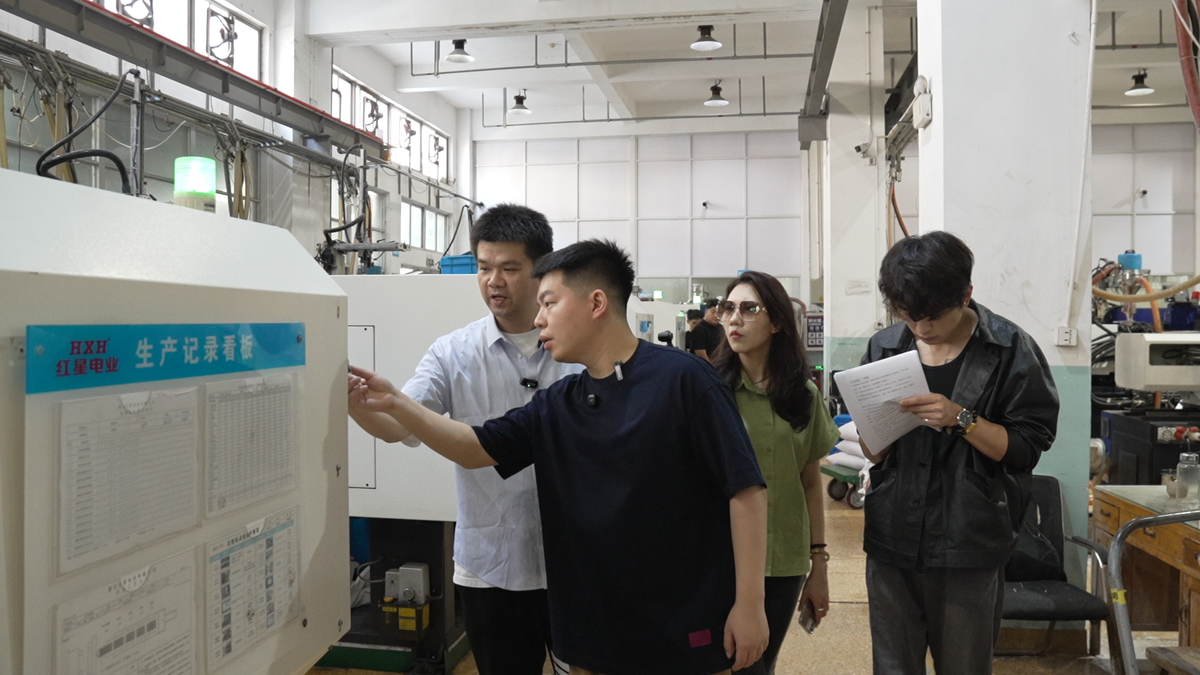
Quality Control: Where Importers Save or Lose Money
March 27, 2026
Quality problems are the number-one reason first-time importers lose money. Not scams. Not shipping mishaps. Quality. And the frustrating part is that most quality failures are entirely preventable.
Three Critical Inspection Points
1. Pre-Production Inspection (PPI)
When: Before mass production begins What to check:
- Raw materials conform to specifications
- Colors match the approved sample
- Components are correct
- Production line is set up properly
Why it matters: Catching a material problem before production starts costs a fraction of what it costs after.
2. During Production Inspection (DPI)
When: At 20–30% production completion What to check:
- Output quality matches the approved sample
- Defect rate stays within acceptable limits
- Workers are following the agreed process
- Packaging and labeling are correct
Why it matters: This is your last window to course-correct. A problem spotted at 20% can be fixed. A problem discovered at 100% means rework or rejection.
3. Pre-Shipment Inspection (PSI)
When: 100% produced, 80%+ packed What to check:
- Finished goods against the golden sample
- Function testing (does everything work to spec?)
- Quantity verification (is the full order accounted for?)
- Packaging and labeling (barcodes, language, markings)
- Carton drop test and overall condition
AQL: The Numbers You Need
AQL (Acceptable Quality Level) is the global standard for sampling inspection. The essentials:
See the full comparison table in our China Sourcing 101 guide.
In plain terms: For a 5,000-unit order, you randomly inspect 200 pieces. If you find more than 10 major defects or 14 minor defects, the lot fails.
Classifying Defects
Critical (zero tolerance): Safety hazards, regulatory non-compliance, total loss of function
- Example: exposed wiring on an electrical product; detachable small parts on a children's toy
Major: Product doesn't perform as intended, or exhibits obvious visual flaws
- Example: a zipper that won't close smoothly; a noticeable color shift from the sample
Minor: Small cosmetic imperfections that don't affect function
- Example: a tiny scratch visible only at certain angles; slightly uneven stitching
Universal QC Checklist
Adapt to your specific product:
Visual Inspection:
- [ ] Color matches approved sample (compare under daylight, not fluorescent)
- [ ] Surface finish is consistent (no scratches, dents, or bubbles)
- [ ] Printing and logos are correct (spelling, placement, color)
- [ ] No loose threads, excess glue, or rough edges
- [ ] Assembly is solid — nothing rattles or wobbles
Dimensional Check:
- [ ] Weight matches specification
- [ ] Consistency across multiple samples (not just one perfect unit)
Functional Testing:
- [ ] Core function works correctly
- [ ] Moving parts operate smoothly
- [ ] For electrical products: voltage and continuity testing
- [ ] "Normal use" stress test (drop it, shake it, press every button)
Packaging Check:
- [ ] Barcode scans correctly (scan it — don't just eyeball it)
- [ ] Packaging text is in the correct language
- [ ] Product sits securely in packaging (not loose, not crushed)
- [ ] Carton markings are accurate (quantity, gross weight, dimensions)
- [ ] Carton drop test: dropped from 76cm, product inside undamaged
This is Part 6 of 8 in the Rich Bee China Sourcing 101 series. Previous: Price Negotiation: The China Rules · Next: Shipping from China: A Survival Guide · All chapters: Sourcing 101 full guide